
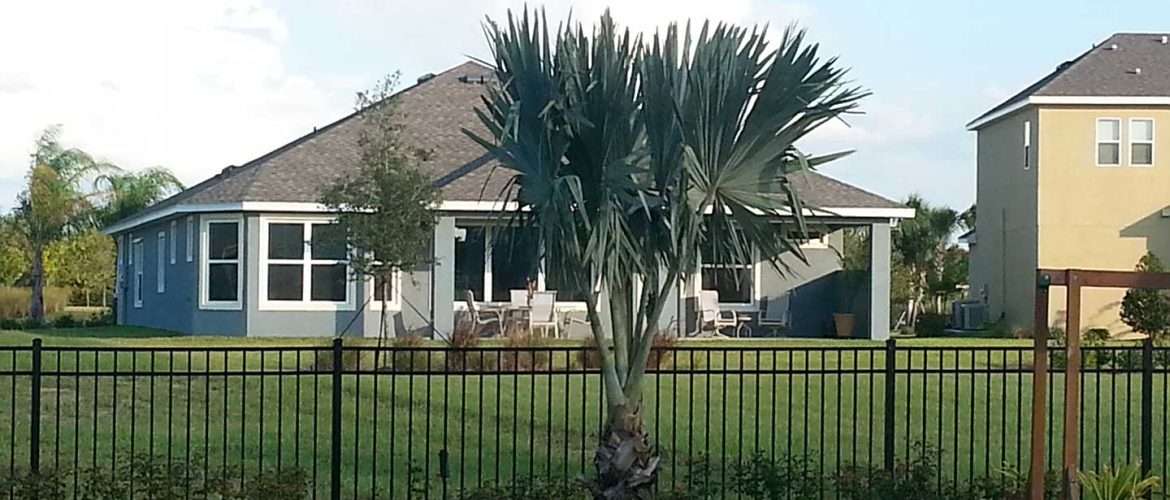
If you’re preparing to list your home in Tampa Bay, or elsewhere in Central Florida, you may be wondering whether you should install a fence, repair the one you have, or just leave it alone. The honest answer? It depends on the condition of your existing fence, the expectations of buyers in your market, and whether the fence you have (or the one you are considering) actually serves the buyer pool most likely to purchase your home.
There is a correlation between fences and home values in Tampa and the surrounding areas, but it’s not just about having a fence—it’s about having the right fence in the right condition.
We’ll walk you through how to evaluate your fence before your listing appointment, what home inspectors and buyer’s agents will flag, and when a fence genuinely adds value versus when it becomes a negotiating point that works against you.
When a Fence Genuinely Adds Value to Florida Homes
A well-maintained fence can reduce days on market and broaden your buyer pool, but only when it aligns with what buyers in your specific market are actively looking for.
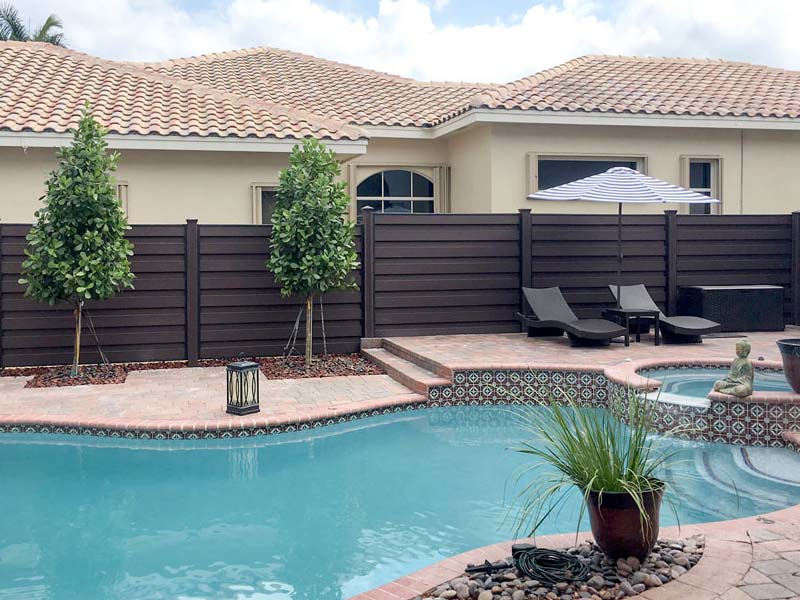
Buyer demand in this market skews toward families and pet owners. Tampa Bay and Central Florida have a high concentration of buyers with dogs, young children, and pool safety concerns. A compliant, well-maintained fence directly serves those buyers. In many cases, a fenced yard is a specific search filter on MLS listings. Homes with functional fencing qualify immediately for that segment, while homes without one do not.
Privacy matters in dense suburban neighborhoods. In higher-density Tampa Bay suburbs and master-planned communities, a rear privacy fence is often expected rather than optional. Homes without one can feel exposed compared to neighboring properties that have them, particularly in communities where lot lines are tight and outdoor living space is a selling point.
Pool enclosures and safety fencing remove inspection risk. Florida Building Code pool barrier requirements apply to all residential pools. A pool fence that is compliant, well-maintained, and visually clean is not just an asset—it removes a potential inspection flag and a liability concern for buyers. Non-compliant pool barriers create closing delays and give buyers leverage to renegotiate or walk.
Acreage and rural properties near Ocala have different buyer expectations. On larger Central Florida lots, a perimeter fence or pasture fence demonstrates property stewardship and has genuine functional value. Buyers in this market expect fencing on acreage, and properties without it can feel incomplete or require immediate post-purchase work.
Pet owners represent a significant buyer segment. A fenced yard is not a nice-to-have for this group—it’s often a requirement. In the Tampa Bay market, buyers with dogs actively filter listings by yard enclosure. A compliant, well-maintained fence makes your listing eligible for these buyers without requiring them to budget for post-purchase installation.
When a Fence Hurts More Than It Helps
A fence in poor condition, or the wrong material for your neighborhood, can work against your sale. These are the situations where a fence may hurt, rather than help, your home sale.

Poor condition becomes a negotiating point. A leaning, rotting, or rusted fence is flagged by buyer’s agents during showings and used to justify price reductions. Sellers who do not address it before listing are handing buyers leverage. Inspection reports will note structural deficiencies, and buyers will either ask for a credit or use the fence condition to justify a lower offer.
Wrong material for the neighborhood or HOA creates visual inconsistency. A chain link fence in a master-planned community where the HOA prohibits it, or where neighboring properties have vinyl or aluminum fences, reads as neglect to buyers at certain price points. Material mismatches signal deferred maintenance, even when the rest of the home is well-kept.
Unpermitted fence work surfaces during title searches. In Hillsborough and Pinellas counties, unpermitted fences can surface during title review and create complications at closing. Buyers and their agents increasingly ask about permit history on structures. An unpermitted fence that encroaches on a neighbor’s property is a serious issue that can delay or derail a sale.
Fences that reduce yard usability work against the property. An awkward fence line that chops off usable yard space, blocks natural light, or creates a cramped feel in a smaller backyard can hurt perceived value. Buyers envision how they will use outdoor space, and they will hesitate over a fence that restricts rather than defines that space.
Overly industrial materials in residential settings send the wrong message. T-post wire fencing or heavy agricultural fencing in a suburban residential context creates a disconnect for buyers. Even when the rest of the home is well-maintained, industrial fencing materials can make the property feel like it needs work.
| The question isn’t just whether you have a fence; it’s whether this fence, in this condition, is appropriate for the buyers most likely to purchase your home. |
What Home Inspectors Look For With Fences
Home inspectors and buyer’s agents evaluate fences visually and structurally, and the following issues are consistently flagged in inspection reports. This is the fencing checklist you need before your listing appointment:

- Post integrity: Inspectors check for lean, heaving from soil movement, rot at the base on wood posts, and rust at the ground line on steel posts. A leaning fence almost always indicates a post failure, not just cosmetic wear. Posts that have shifted or rotted through compromise the entire fence structure.
- Panel and picket condition: Missing pickets, cracked or warped boards, sagging panels, and broken fence sections are flagged visually and noted in reports. Buyers see these as immediate repair costs, and agents use them as negotiation leverage.
- Gate hardware and function: Gates should open, close, and latch without forcing. Pool gates in Florida are subject to specific code requirements: self-closing hinges and a self-latching mechanism with the release on the pool side. A non-functional pool gate is a code compliance issue, not just a cosmetic one.
- Pool barrier compliance: Florida’s pool fence requirements set minimum standards for residential pools. Inspectors check height (minimum 4’ for most barrier types), gap spacing between pickets or panels, and latch function. A non-compliant pool barrier can delay or derail a closing.
- HOA compliance: If your property is in a deed-restricted community, an unpermitted or non-compliant fence (wrong material, wrong height, wrong color) can require the buyer to remediate it post-close. Buyers price that cost in or use it as a condition of sale.
- Encroachment: A fence installed past the property line is an encroachment issue that a survey will expose. This is more common than sellers expect, particularly on older properties where fences were installed informally without a survey reference. Encroachment creates title complications and can require fence removal or a boundary agreement with the neighbor.
- Permit history: Buyers and their agents in Hillsborough, Pinellas, and Marion counties can verify fence permits through county records. An unpermitted fence is not always a deal-breaker, but it opens a negotiation and raises questions about what else on the property may not be permitted.
Decide Whether to Repair, Replace, Remove, or Leave a Fence
Before your listing appointment, walk your fence line with the guide below. It will help you understand exactly what to address or to leave alone.
When to repair your fence
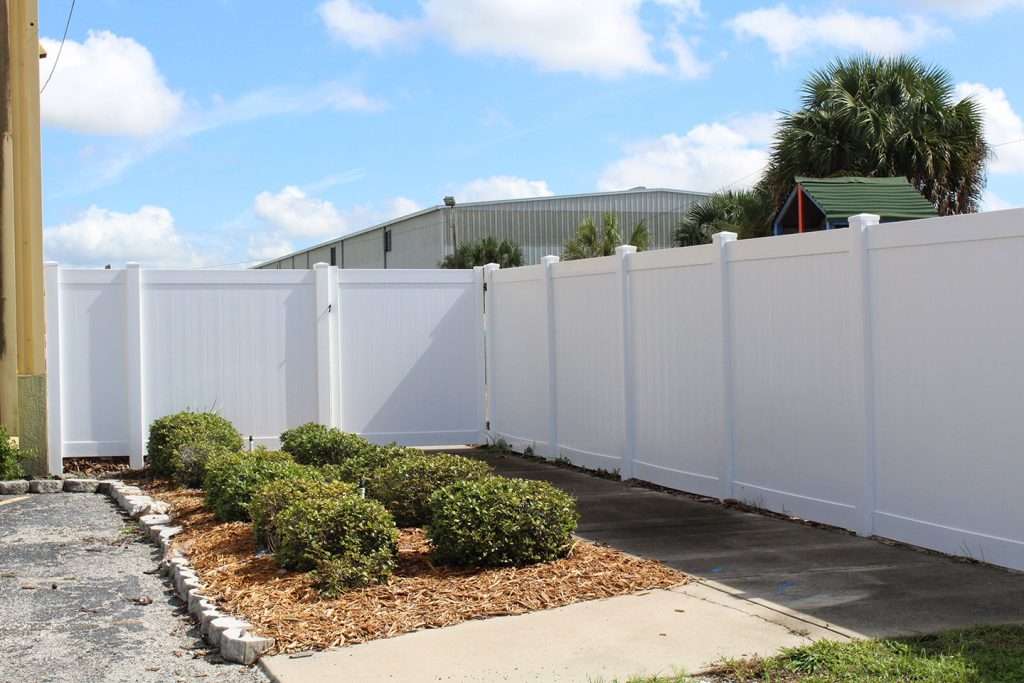
Repair makes sense when the fence is structurally sound but has cosmetic issues—a few broken boards, a stiff gate latch, surface rust on hardware. The material and style should be appropriate for the neighborhood and HOA-approved, and the repair cost should be modest relative to the buyer pool and price point of the home. A minor repair removes a negotiating point without requiring a full replacement.
When to replace your fence
Replace when the fence is structurally compromised—leaning posts, widespread rot, extensive rust—or when the material is inconsistent with the neighborhood and visually dragging down curb appeal. Pool fencing that is non-compliant with Florida Building Code standards and cannot be repaired to meet code should also be replaced. Replacement is an investment in qualifying your home for a broader buyer pool and removing inspection risk.
When to remove your fence
Remove the fence when it is in poor condition and the cost to repair or replace exceeds its likely impact on sale price. If the fence reduces perceived yard size significantly and your target buyer pool does not have a strong need for enclosure, removal may open up the space and improve the property’s appeal. An unpermitted fence that creates a title or compliance complication should also be removed to avoid closing delays.
When to leave your fence as is
Leave the fence when it is in good condition, appropriate for the community, and serves the likely buyer pool. A pool barrier that is fully compliant, clean, and well-maintained should stay. Removal would cost more than the benefit, and buyers are typically neutral or positive about its presence.
A pre-listing fence inspection from a licensed contractor can help you make this call before your listing agent appointment. A quick walk-through tells you whether you are looking at a simple fix, a full replacement, or a non-issue.
Tampa Bay and Central Florida Market Considerations
Local market dynamics shape how buyers and agents evaluate fences, and understanding these patterns helps you position your property advantageously.
Tampa Bay’s buyer pool skews heavily toward families with children and pets, which sustains demand for fenced yards across a broad range of price points. A functional fence is not a luxury feature in this market—it is a practical requirement for a significant portion of buyers.

Master-planned communities throughout Hillsborough and Pasco counties—FishHawk Ranch, Watergrass, Connerton, Wiregrass—have detailed HOA standards that make material and permit compliance particularly important at the time of sale. Buyers in these communities expect fences to meet HOA specifications, and non-compliance becomes a disclosure issue.
Pinellas County coastal and near-coastal properties face additional considerations around wind load ratings for fence materials, which affects both code compliance and insurance. Buyers in these areas are increasingly informed about wind rating requirements, and fences that do not meet those standards can become a point of concern during due diligence.
In the Ocala and Marion County market, agricultural and perimeter fencing on larger residential and rural properties carries genuine functional value that buyers expect and agents should highlight in listing copy. Buyers purchasing acreage anticipate fencing infrastructure, and properties without it may require immediate post-purchase investment.
CDD communities add an additional review layer alongside HOA requirements, which matters when sellers are disclosing fence compliance status to buyers. Buyers in these communities are familiar with the added governance structure, and compliance documentation becomes part of the closing process.
Fence Value FAQs
Does a fence increase home value in Florida?
A fence can increase home value in Florida when it is well-maintained, appropriate for the neighborhood, and serves the buyer pool. Fenced yards are particularly valued by families with children and pets, which represent a significant portion of Florida buyers. However, a fence in poor condition or one that does not comply with HOA or code requirements can reduce perceived value and create negotiating leverage for buyers.
What do home inspectors look for on fences in Florida?
Home inspectors in Florida check for post integrity, panel and picket condition, gate function, pool barrier compliance, and encroachment issues. They also verify that pool gates have self-closing hinges and self-latching mechanisms as required in Chapter 454 of the Florida Building Code. Inspectors note structural deficiencies like leaning posts, rot, rust, and missing or damaged sections in their reports, which buyers use to negotiate repairs or price reductions.
Does a pool fence affect a home sale in Tampa Bay?
Yes. A compliant, well-maintained pool fence removes a liability concern and an inspection flag, which can expedite closing. A non-compliant or damaged pool fence creates negotiating leverage for buyers and can delay closing while the seller addresses code violations. Florida’s pool barrier requirements mandate specific height, gap spacing, and latch standards, and buyers expect residential pool fences to meet those requirements at the time of sale.
Can I sell a house with an unpermitted fence in Florida?
You can sell a house with an unpermitted fence in Florida, but it may create complications during closing. Buyers and their agents can verify fence permits through county records in Hillsborough, Pinellas, and Marion counties. An unpermitted fence is not always a deal-breaker, but it opens negotiation and raises questions about other unpermitted work on the property. If the unpermitted fence encroaches on a neighbor’s property, it becomes a title issue that can delay or derail the sale.
Should I replace my fence before selling my home?
Replace your fence before selling if it is structurally compromised, visually inconsistent with the neighborhood, or non-compliant with Florida’s pool fence laws. A fence replacement removes inspection risk and qualifies your home for buyers who filter listings by fenced yards. If your fence is in good condition and appropriate for the community, replacement is not necessary. A pre-listing inspection from a licensed contractor can help you determine whether repair, replacement, or leaving it as-is makes the most sense for your property.
What fence materials are most appealing to Florida home buyers?
Vinyl and aluminum fences are the most appealing materials to Florida home buyers because they require minimal maintenance, resist rust and rot, and hold up well in humid and coastal climates. Wood fences appeal to buyers seeking a traditional aesthetic, but they require more maintenance. Chain link fencing is acceptable in certain contexts—rural properties, large lots, or dog runs—but it is generally less appealing in suburban neighborhoods where vinyl and aluminum are the standard.
Does a fence help a home sell faster in Tampa?
A well-maintained fence can help a home sell faster in Tampa by qualifying the property for buyers who filter MLS listings by fenced yards. Families with children and pet owners represent a significant portion of the Tampa Bay buyer pool, and a functional fence is often a non-negotiable requirement for these buyers. A fence in poor condition or one that does not meet HOA or code standards can slow the sale by creating negotiating points and inspection concerns.
What is the minimum pool fence height required in Florida?
The minimum pool fence height required in Florida is 4’ for most barrier types per Florida Statute 515 (the Residential Swimming Pool Safety Act). The fence must also meet gap spacing standards to prevent a child from passing through, and pool gates must have self-closing hinges and self-latching mechanisms with the release on the pool side. Non-compliant pool barriers are flagged during home inspections and must be corrected before closing in most cases.
Get a Fence Assessment Before You List
Before your listing appointment, it’s worth having a licensed local contractor walk your fence line. A quick assessment tells you whether you are looking at a simple repair, a full replacement, or a pool gate fix before an inspector finds it first. Florida State Fence is a trusted local fencing company that serves homeowners throughout the Tampa Bay area and Central Florida from our Tampa and Ocala offices. We can assess your current fence, recommend the most cost-effective path, and handle permits and install on a timeline that works with your listing schedule. Request an on-site estimate and ask about financing for qualified homeowners.


